
🏠 When Florida Wildlife Moves In: Signs You May Have an Unwanted Guest

Wildlife belongs in Florida. It just doesn’t belong in your attic, garage, crawl space, soffit, pool cage, or under your porch.
In Sarasota, Bradenton, and the surrounding parts of Sarasota County and Manatee County, homes sit close to ponds, preserves, canals, golf courses, wooded lots, and thick landscaping. That’s one reason raccoons, armadillos, bats, opossums, squirrels, and other nuisance wildlife show up so often around homes.
Most animals aren’t trying to cause trouble. They’re looking for food, water, shelter, or a safe place to raise young. The problem starts when your property gives them easy access.
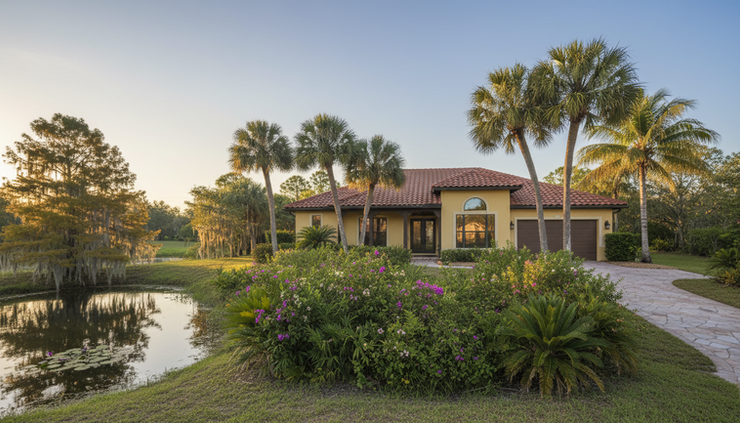
Why wildlife gets too close to homes in Sarasota and Manatee County
Nuisance wildlife problems usually come down to three things.
Food. Water. Shelter.
Florida makes all three easy to find. Warm weather keeps animals active for much of the year. Afternoon rains fill low spots with water. Fruit trees, garbage cans, pet food, bird seed, grubs, insects, and garden beds can all draw wildlife into a yard.
Homes also offer shelter. An attic can feel like a dry, warm, protected den. A gap under a shed can look like a safe burrow. A roof return, loose soffit, or broken vent can become an entry point.
Here are a few common reasons wildlife starts hanging around a property.
Raccoons find food fast
Raccoons are smart, strong, and persistent. They’ll tip trash cans, raid pet bowls, climb fences, and investigate rooflines. In neighborhoods around Sarasota and Bradenton, they often move through yards at night.
Once raccoons learn that a property has reliable food, they come back. If they find an attic opening, they may use it for shelter.
Signs of raccoon activity include:
Trash scattered near cans
Pet food disappearing overnight
Heavy thumping or dragging sounds in the attic
Paw prints near pools, patios, or muddy areas
Torn screens, damaged vents, or lifted soffit panels
Raccoons can bite or scratch if cornered. They can also carry parasites and diseases. Don’t try to grab one, block one inside, or scare one out by reaching into a tight space.
Armadillos dig where the food is
Armadillos are common in many parts of Sarasota County and Manatee County. They feed on insects and grubs in soil, which is why they dig small holes across lawns, mulch beds, and landscaped areas.
They don’t chew into attic vents like raccoons might. Their damage is usually at ground level.
Look for:
Cone-shaped holes in the lawn
Mulch kicked out of beds
Tunnels near slabs, walkways, or patios
Digging along fences or under sheds
Soft spots where soil has been disturbed
If the digging keeps moving across the yard, the armadillo is likely following food sources. Watered lawns and beds with loose soil can make the area even more attractive.
Bats use small gaps high on the home
Bats are a big help outdoors because they eat flying insects. They’re also protected and important to Florida’s environment. But they become a problem when they roost inside an attic, wall gap, chimney area, or under roof tiles.
Bats don’t need a large hole. A small opening along a roofline, fascia board, soffit, or vent can be enough.
Common bat signs include:
Squeaking or scratching near the roofline
Droppings below an entry point
Staining around a gap or vent
Bats flying out around dusk
A strong odor in an attic or wall area
Bat work must be handled carefully. Florida has rules about when bat exclusions can be done, especially during the season when young bats may be present. The Florida Fish and Wildlife Conservation Commission explains that bat exclusions are restricted during maternity season, which is generally April 15 through August 15.
That timing matters. If young bats can’t fly yet, sealing the wrong opening at the wrong time can trap them inside.

Signs wildlife may be inside or too close
You don’t always see the animal. Many nuisance wildlife issues start at night or in hidden spaces.
Here’s what to watch for around the home.
Noises in the attic or walls
A few noises are normal in any house. Wildlife sounds are different. They repeat, move, and often happen at certain times.
Listen for:
Scratching
Thumping
Chirping
Squeaking
Rustling
Sounds that move across the ceiling
Nighttime noises may point to raccoons, rats, bats, or opossums. Daytime activity may point to squirrels or birds. Timing helps narrow it down, but it doesn’t identify the animal by itself.
Damage near rooflines and vents
Walk the outside of the home from a safe distance. Don’t climb onto the roof unless you’re trained and have the right equipment.
Look for:
Loose soffit panels
Bent vent covers
Torn screens
Gaps under roof edges
Staining around openings
Chewed or worn entry spots
Wildlife often uses the same path over and over. You may see rub marks, hair, droppings, or worn areas near an opening.
Digging in the yard
Yard damage can come from more than one animal. Armadillos dig for insects. Raccoons may roll back sod or dig around soft soil. Other animals may burrow under structures.
Pay attention to the pattern.
Scattered small holes across the lawn often point to foraging. A larger tunnel under a slab, porch, or shed may mean an animal is using that space for shelter.
Droppings or strong odors
Droppings in attics, garages, lanais, or around entry points are a clear sign that wildlife has been active.
Don’t sweep or vacuum droppings without knowing what they are. Some droppings can contain germs or parasites. If droppings are in an enclosed space, it’s safer to have the area inspected.
Odor is another warning sign. A strong ammonia-like smell, musky odor, or dead animal smell should be checked.
Pets acting differently
Dogs and cats often notice wildlife before people do. A dog barking at the same corner of the yard every night may be reacting to an animal path, burrow, or scent.
That doesn’t mean pets should investigate. Wildlife encounters can lead to bites, scratches, or disease exposure. Keep pets away from suspected den sites and attic openings.
What homeowners can do to reduce wildlife activity
You can’t make a Florida property wildlife-free. But you can make it less inviting.
Start with the basics.
Secure food sources
Food is the fastest way to attract nuisance wildlife.
Do these first:
Bring pet food indoors at night
Use trash cans with tight lids
Don’t leave fish bait, grill grease, or food scraps outside
Pick up fallen fruit from trees
Keep bird seed cleaned up under feeders
Store livestock or chicken feed in sealed containers, if applicable
Raccoons remember where they found food. If the food disappears and stays gone, activity often drops.
Clean up shelter spots
Animals like quiet, covered areas.
Check for:
Overgrown shrubs against the house
Open gaps under sheds
Brush piles
Firewood stacked against walls
Loose lattice or skirting
Unscreened vents
Trim plants away from the home. Keep storage areas clean. Move stacked items away from walls when possible.
Reduce easy access to the roof
Raccoons and squirrels can climb. Trees touching the roof can give them a direct path.
Trim branches back from the roofline when you can do so safely. Also check fences, trellises, and outdoor furniture that may help animals reach eaves or vents.
In many Bradenton and Sarasota neighborhoods, older homes have vents, soffits, and roof returns that have shifted over time. Small gaps get bigger after storms, heat, and age.
Close obvious openings, but don’t trap animals inside
This part matters.
If you see a hole, don’t seal it right away unless you’re sure no animal is inside. Sealing an active entry point can trap wildlife in the attic or walls. That can lead to more damage, odor, and stress for the animal.
A safe approach is:
Watch the area from a distance.
Look for fresh droppings, tracks, or staining.
Listen for attic sounds.
Call a professional if the opening looks active.
Exclusion work is helpful, but timing and method matter.

When it’s time to call a professional
Some wildlife activity can be managed with cleanup, trimming, and better storage. Other situations need trained help.
Call a professional if you notice any of these:
Animals entering the attic, garage, or wall space
Repeated digging under a slab, porch, or shed
Raccoons on the roof or near roof openings
Bats flying out of a home at dusk
Droppings inside living areas, attics, or garages
Strong odor from a wall or ceiling
A trapped or injured animal
Wildlife acting aggressive, weak, or unusually bold
You should also call if young animals may be present. Removing an adult without addressing babies inside a structure can create a bigger problem.
The goal is not just to remove the animal. The goal is to understand why it came in, handle the current issue, and reduce the chance that it happens again.
That’s where local experience helps. Wildlife behavior in Sarasota County and Manatee County is shaped by the area. Homes near water, wooded lots, construction zones, preserve edges, and golf courses may see different activity than homes in tighter neighborhoods.
A professional should inspect the property, identify likely entry points, explain the plan, and tell you what can and can’t be done based on the animal involved.
How Pest Armor handles nuisance wildlife removal
Pest Armor offers no-kill wildlife trapping, removal, and relocation for certain nuisance wildlife problems around homes and properties in Sarasota, Bradenton, Sarasota County, and Manatee County.
This service is meant for situations where trapping is appropriate, such as certain ground-level or property-based wildlife concerns. It is not a promise to handle every type of wildlife or every situation. The right method depends on the animal, the location, and Florida rules.
Here’s how the service works.
Pest Armor sets the traps
After reviewing the wildlife issue, Pest Armor places traps in targeted areas where the animal is active. Trap placement matters. A trap in the wrong spot wastes time and may catch the wrong animal.
The goal is to focus on the nuisance wildlife causing the problem.
Pest Armor checks the traps daily
Daily trap checks are part of responsible trapping. Captured animals should not sit in a trap for long periods.
Pest Armor checks traps each day during the service period. This helps reduce stress on the animal and keeps the process moving.
Pest Armor removes and relocates captured wildlife
When nuisance wildlife is captured, Pest Armor removes and relocates the animal as part of its no-kill service. Relocation must be handled with care and in line with applicable rules.
This is one reason do-it-yourself trapping can create problems. Homeowners may not know what they caught, where it can legally go, or how to handle the animal safely.
Pest Armor removes the traps at the end of the service period
Traps should not be left out forever. At the end of the service period, Pest Armor removes the traps from the property.
That final step matters. It keeps the yard clear and avoids unnecessary trapping after the service is complete.
If you’re looking for wildlife removal Sarasota, wildlife removal Bradenton, wildlife control Sarasota, nuisance wildlife removal, wildlife trapping Sarasota, raccoon removal Sarasota, armadillo removal Sarasota, bat exclusion Sarasota, or wildlife service's Manatee County, the best first step is a proper inspection and a clear plan.
Bat exclusion is handled differently
Bats are not handled the same way as raccoons or armadillos.
Pest Armor’s bat exclusion service focuses on helping bats leave the structure and preventing them from getting back in. It does not involve trapping and relocating bats.
A proper bat exclusion usually includes:
Finding the bat entry points
Identifying where bats are exiting
Installing one-way exclusion materials when allowed
Letting bats leave on their own
Sealing entry points after the bats are out
The timing has to be right. As mentioned earlier, Florida restricts bat exclusion during maternity season because young bats may not be able to fly. That is why bat work requires patience and care.
If bats are inside a home or building, don’t seal holes on your own. Don’t use bright lights, sprays, or loud noise to force them out. Those steps can make the problem worse and may put bats or people at risk.
A calm, rule-following approach works better.

A practical plan for keeping wildlife out
Wildlife control works best when removal and prevention go together.
Here’s a simple plan that fits most homes in Sarasota and Manatee County.
Walk the property once a month. Look at vents, soffits, crawl space openings, sheds, fences, and mulch beds.
Check after storms. Wind and rain can loosen screens, soffits, and vent covers.
Keep food locked down. Trash, pet food, bird seed, and fruit are common attractants.
Trim plants away from the house. Thick landscaping gives animals cover and access.
Don’t ignore attic noises. The longer wildlife stays inside, the harder the cleanup and repair can become.
Get help before sealing openings. Make sure animals are out before repairs begin.
Most wildlife problems start small. A loose vent. A trash can without a tight lid. A branch touching the roof. A soft spot under a shed.
Fix those early and you lower the odds of a bigger issue.
Florida wildlife is part of living here. The key is keeping a healthy distance. If animals are only passing through the yard, better sanitation and habitat cleanup may be enough. If they’re digging under structures, entering the attic, or roosting in the home, it’s time to bring in a professional who knows the area and uses the right method for the animal involved.


Comments